January 13, 2026
Why Two Similar Aircraft Can Be Priced So Far Apart
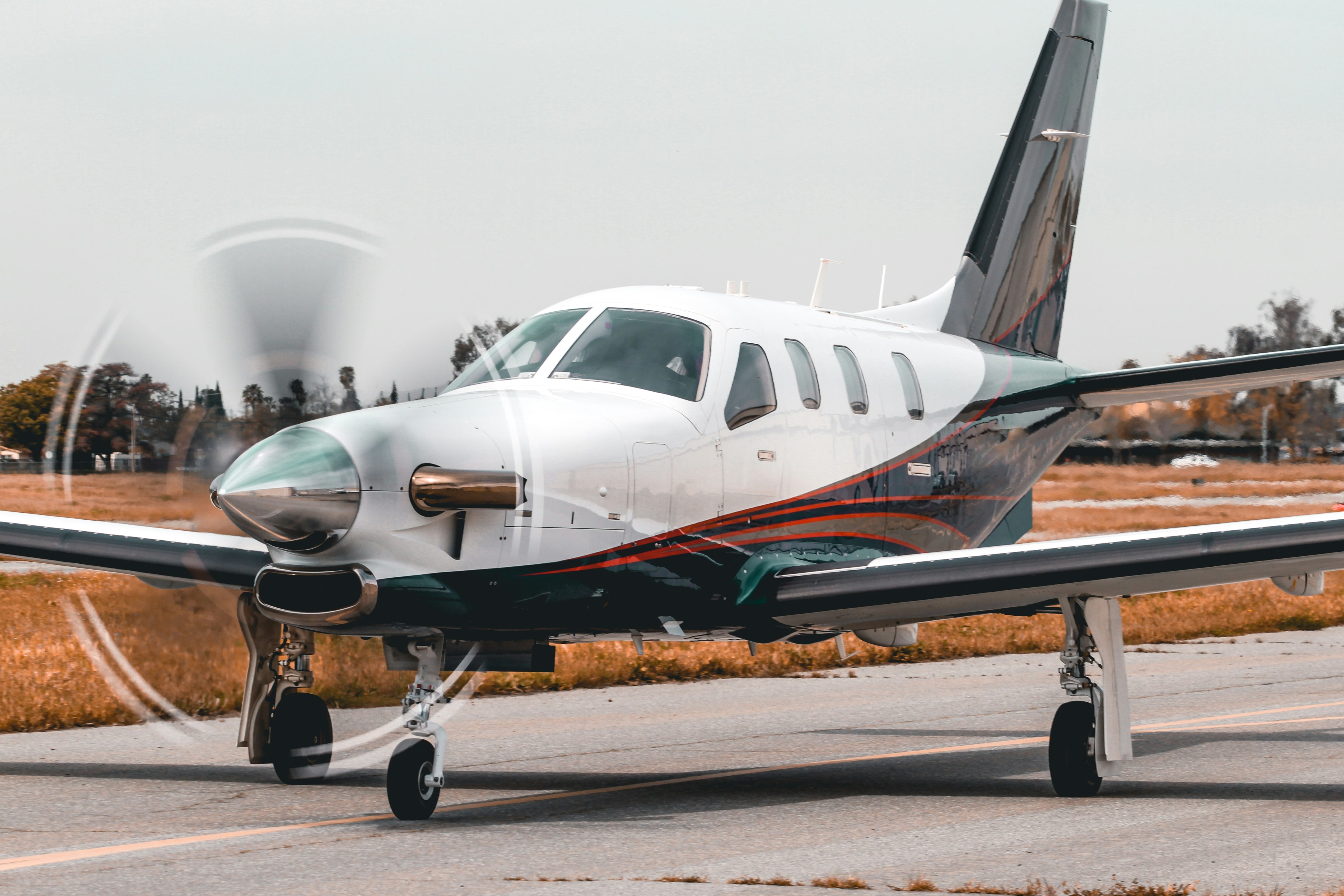
One of the most common observations in the aircraft market is why two aircraft that appear nearly identical can be priced tens or even hundreds of thousands of dollars apart. Same model, same year, similar hours, and similar equipment lists; on the surface, they look apples-to-apples. Pricing, however, is rarely driven by a single metric. The gap usually reflects years of operational history, maintenance decisions, upgrades, and how thoughtfully the aircraft has been prepared for the next owner.
Aircraft hours are often the first comparison point, but they rarely tell the full story. Total time and engine times matter, yet the way those hours were accumulated can matter just as much. An aircraft that has flown regularly, stayed active, and received consistent maintenance often presents far better than one with similar hours that spent long stretches parked on the ground. Periods of disuse tend to create their own problems, particularly in piston twins, where corrosion, seals, and systems degradation can quietly compound over time. This is a known factor, and buyers price in the risk of an aircraft that has spent more time in a hangar than in the pattern.
In turboprops, the calendar becomes just as important as the tach. Periodic inspections, hot sections, overhauls, and life-limited components are expensive and unavoidable. Two aircraft with similar engine hours can be in very different financial positions depending on where they sit in the maintenance cycle, especially when life-limited components are involved. An aircraft that is approaching a major event carries an implied cost that is coming due soon, while one that has recently completed those items often justifies a higher asking price. Major maintenance equates to uncertainty: the aircraft will be out of service for a period of time, and the bill will not be finalized until everything is opened up. A recent major inspection or overhaul offers a greater degree of predictability in the near term.
Maintenance quality is one of the largest and least understood drivers of value. Two aircraft may both meet airworthiness requirements, but separation can occur by a wide margin depending on where and how the work was performed. Consistent maintenance at reputable facilities, clear documentation, and a pattern of addressing issues proactively all build confidence. Spotty records, deferred cosmetic items, or a history of short-term fixes tend to erode it. Buyers pay for confidence, and they discount uncertainty.
Logbooks deserve special attention because they tell the aircraft’s story. Complete, organized, and legible records reduce friction in a transaction and shorten the path to closing. Missing pages, unclear entries, or gaps in history raise questions that often cannot be fully answered during a pre-purchase inspection. Even when no major issues are found, the presence of uncertainty alone can affect value. In a market where buyers have options, clarity matters.
Avionics are another major separator, particularly in owner-flown piston twins and turboprops. Today’s buyers are not just looking for equipment that meets minimum requirements. They are looking for panels that are usable, integrated, and aligned with modern operations and workload management. An aircraft with a thoughtful avionics suite often commands a premium, while older or mismatched avionics stacks tend to push buyers into a mental subtraction exercise, even if everything technically works.
Interior and exterior condition also influence pricing more than many sellers expect. Cosmetics are not just about appearance; they are a proxy for care. A clean interior, consistent paint, and attention to small details suggest pride of ownership and disciplined maintenance habits. When buyers are comparing multiple aircraft, the one that feels ready to fly today almost always stands out. The aircraft that comes with a visible list of future projects often does not, even if the mechanical condition is similar. Some buyers are looking for a deal and a project; most are not.
Perhaps the most overlooked factor is how the aircraft is brought to market. Presentation sets expectations from the first impression. Clear photographs, accurate descriptions, transparent disclosure, and organized records signal professionalism and seriousness. An aircraft that enters the market thoughtfully tends to attract better-qualified buyers and cleaner negotiations. One that feels rushed or poorly represented often struggles, regardless of its underlying quality.
Pricing itself is also a signal. An aircraft priced well above the market without a clear justification can stall quickly, while one priced too low may attract attention for the wrong reasons. Buyers assume that pricing reflects the seller’s understanding of the aircraft and the market. When that alignment is missing, it introduces friction and skepticism early in the process.
Value is rarely defined by a single line item. It is the cumulative result of maintenance discipline, operational history, equipment choices, cosmetic condition, and presentation. Two aircraft may look similar on paper, but once those layers are examined, the price gap often makes sense.
Understanding these distinctions is critical for anyone navigating the aircraft market. Buyers who take the time to look beyond headline specs are better equipped to assess true value and avoid surprises, while sellers who recognize what the market actually rewards are more likely to achieve a timely and realistic result. Informed decisions, grounded in context rather than comparison alone, lead to transactions that close smoothly and align with expectations on both sides.
Contact
(903) 705-4523
PO Box 663
Bullard, TX 75757
Navigation
© 2026 HX Aviation, LLC