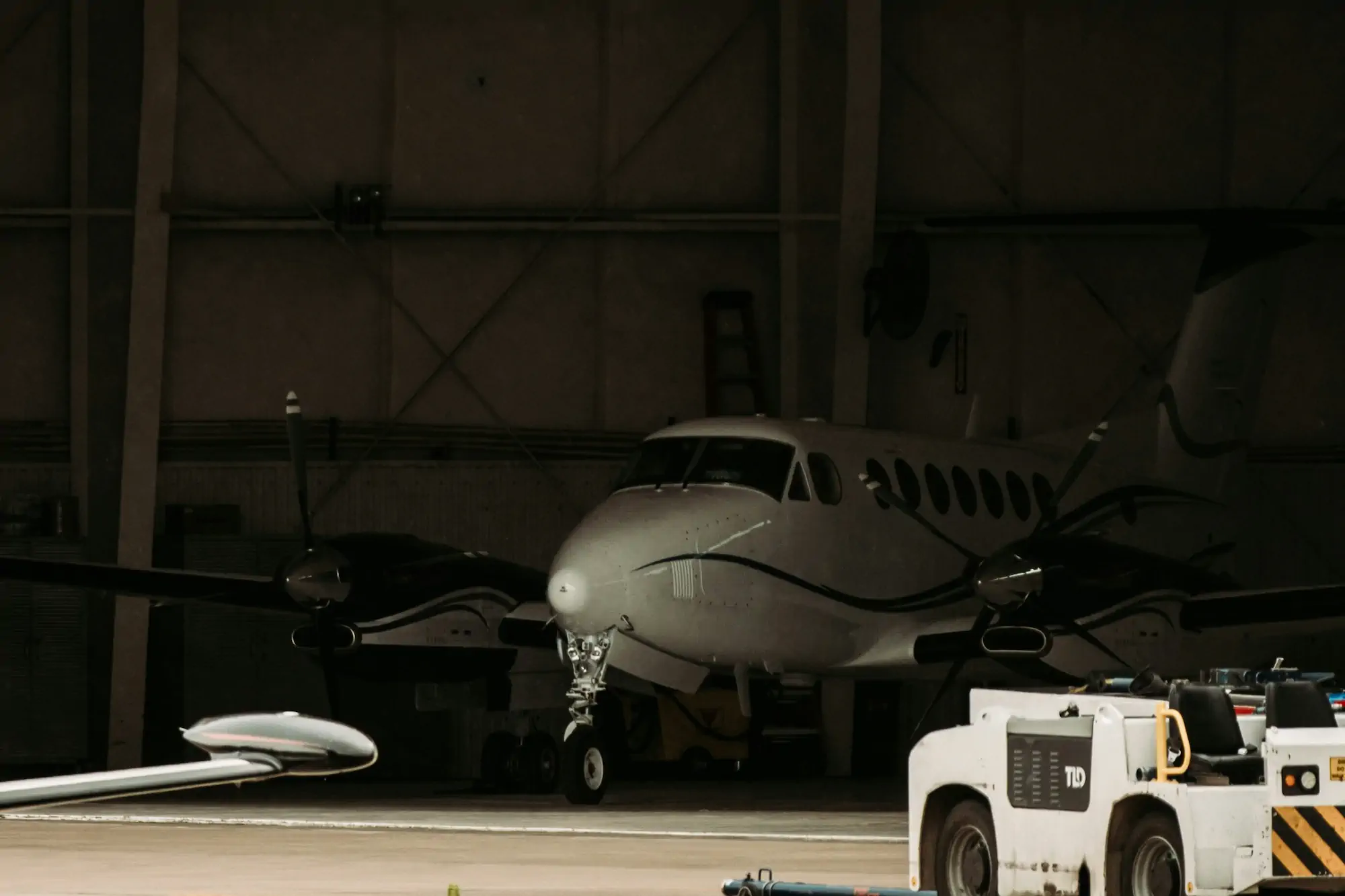
The cost of owning an aircraft adds up quickly. While it’s easy to assume the acquisition price will be an owner’s largest expense, the reality is that responsible ownership carries significant ongoing costs of its own. Maintenance, taxes, and insurance are unavoidable, and hangar rent often feels like the most painful line item of all. At many airports across the country, hangar space is scarce and expensive, and the price-to-benefit ratio can appear lopsided at first glance. The truth is that hangar rent is almost always worth it, even when it feels crazy expensive.
Aircraft depreciate, but not in a purely linear way. Market demand plays a role, but ownership philosophy matters just as much. If two aircraft with back-to-back serial numbers come to market with similar time and equipment, the one that has been consistently hangared will almost always be more desirable than the one that spent its life on the ramp. Hangaring meaningfully reduces exposure to weather-related damage, but it also signals something less tangible and just as important. Owners who pay for a hangar month after month quietly demonstrate discipline. That choice signals to the market that they cared for the aircraft, addressed small issues before they became large ones, and treated the airplane as a long-term asset rather than a disposable toy.
Weather is one of the greatest sources of risk in aircraft operations, both in the air and on the ground. Every climate presents its own challenges, but none are without consequence. Wind can generate extreme gust loads, and even a single strong gust can interact with an aircraft’s aerodynamic surfaces in just the wrong way, leading to skin damage, control surface stress, or worse. Hail forms unpredictably, and a brief storm can leave hundreds of dents across tail and control surfaces. In colder climates, aircraft can sit exposed to ice and snow for weeks or months at a time, subjecting seals and structures to prolonged moisture exposure. Even in fair weather, ultraviolet radiation steadily degrades paint, dries out seals, and accelerates wear on interior materials. Some of this damage is sudden and obvious; much of it is cumulative and easy to overlook. No matter the climate, weather introduces real risk that can translate into 337 repairs, damage history logbook entries, or a generally degraded aircraft condition.
For that reason, hangar rent is best understood as a form of insurance, but with an important distinction. Hangaring helps prevent damage from happening in the first place. A hangar allows the building itself to absorb the effects of wind, sun, precipitation, and temperature extremes while the aircraft remains protected inside. Climate-controlled or not, this is a meaningful improvement over continuous ramp exposure. More than that, hangaring is also an investment. It acts as a hedge against the normal arc of depreciation and can be a deciding factor in the mind of a future buyer. Two of the most powerful phrases on any aircraft specification sheet remain “no known damage history” and “always hangared.”
It’s easy to calculate the annual cost of hangar rent. It’s far harder to calculate the true cost of weather damage. A single hail storm lasting less than fifteen minutes can generate a massive repair bill, take an aircraft out of service for an extended period, and permanently affect its market perception. A single wind event can overturn or damage an aircraft. Prolonged sun exposure can force a repaint years earlier than planned. These events are unpredictable, but they are not rare, and their consequences can exceed years of hangar rent in both direct cost and lost value. These are risks that can be meaningfully mitigated by hangaring an aircraft.
Hangaring isn’t a luxury, and it isn’t throwing good money after bad. It is a disciplined way to manage the risk profile of an aircraft while defending its long-term value. By taking this step, even when rents feel uncomfortably high, owners position their aircraft to be ready when it’s needed and to come to market as a premium product when the time to sell arrives.