February 24, 2026
When Smart Upgrades Become Overbuilds
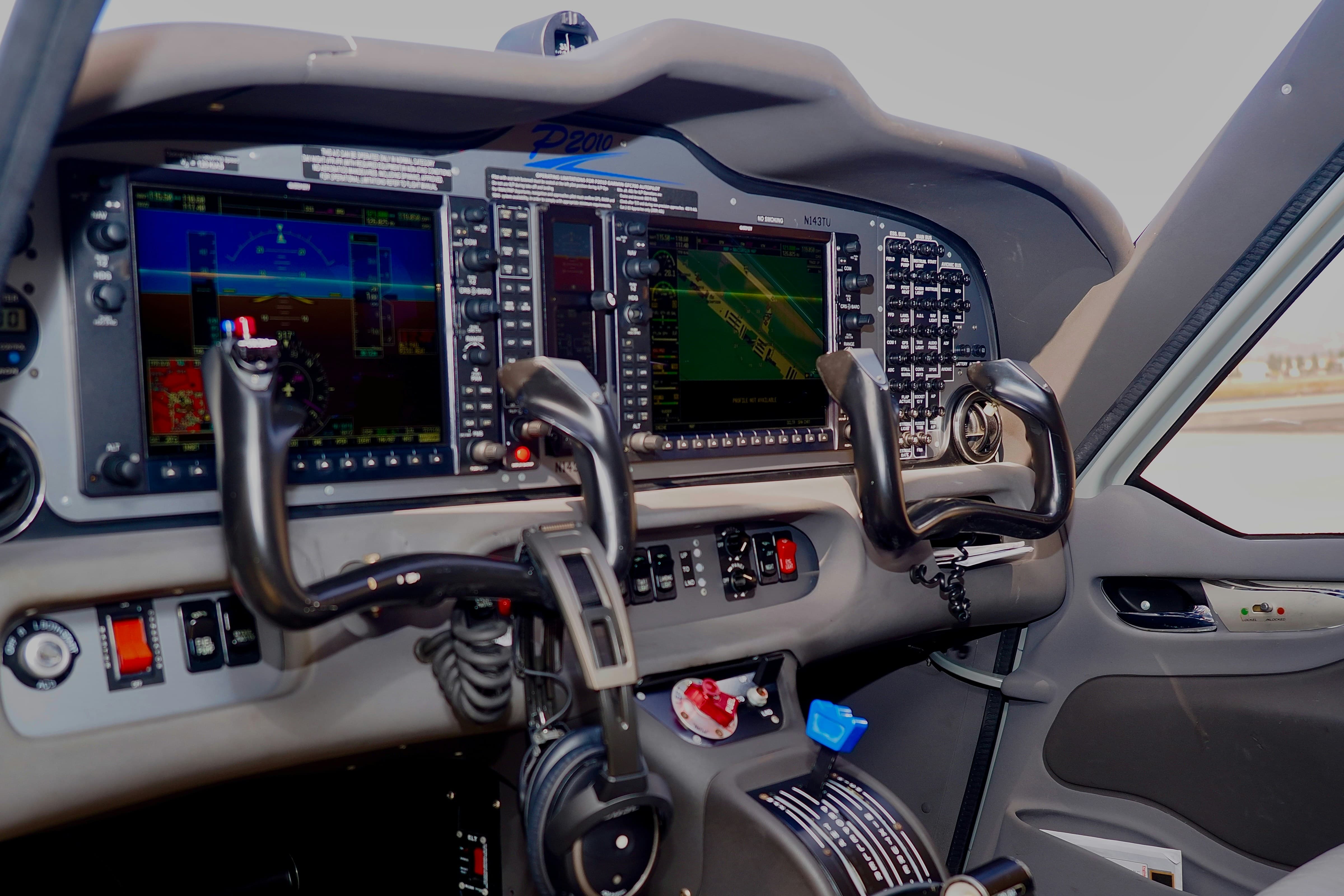
Aircraft ownership is personal, and every pilot has their own preferences and mission requirements. Some pilots enjoy the hard edge of hand flying and only need a WAAS-capable GPS to get the job done. Others prefer the complexity of automation and managing systems in flight to optimize performance. Regardless of who sits in the left seat, nearly every aircraft can be upgraded. The challenge is knowing when those upgrades make economic sense.
Aircraft are rarely forever. While many upgrades improve the ownership experience or deliver real performance gains, that benefit must be weighed against market pricing for your specific model and variant. Just as it’s possible to overbuild a house beyond the top of its neighborhood market, the same thing can happen to an airframe. There may be a buyer willing to pay for the end product when it’s time to sell, but the pool of potential buyers will be smaller, making a good deal harder to put together.
Thoughtful upgrades can deliver meaningful improvements in avionics capability, safety of flight, and overall usability. Modernizing a legacy aircraft can be an excellent way to extend the value of a solid airframe while improving comfort and capability today. When upgrades align with how the aircraft is actually flown, they often make sense.
Problems arise when upgrades push an aircraft into territory where it begins to compare, on price, with a different model or variant that was designed from the outset for that level of capability. Avionics, engine upgrades, and performance STCs give owners tremendous flexibility, but not every dollar invested returns value proportionally. Building the perfect aircraft for your mission may leave you with a niche airplane that is a poor fit for most buyers.
Before committing to major upgrades, it’s worth stepping back and looking at the market. Review current listings for comparable models and variants. Pay attention to total time, equipment, and asking prices, and ask whether today’s market would realistically support your investment. High-end avionics may improve your flying experience, but if they push your total cost beyond what the market will bear, you are likely locking in losses.
If your mission has changed since you purchased the aircraft, or if you are simply looking for a better overall experience, upgrading may not be the right answer. Newer aircraft, even within the same class or model, often include higher levels of automation and capability as standard equipment. A 2023 Cessna 172 is fundamentally different from a 1969 model. In many cases, moving into a different airframe solves problems that upgrades cannot.
Upgrades are ultimately a judgment call, and not every decision is purely financial. Still, before placing a deposit with the shop, it’s worth a reality check. Your aircraft should fit your mission without boxing you in later. Research the market, consider how common the upgrade is for your model and variant, and think about the eventual exit. Sometimes the best upgrade is choosing the right aircraft instead.
Contact
(903) 705-4523
PO Box 663
Bullard, TX 75757
Navigation
© 2026 HX Aviation, LLC