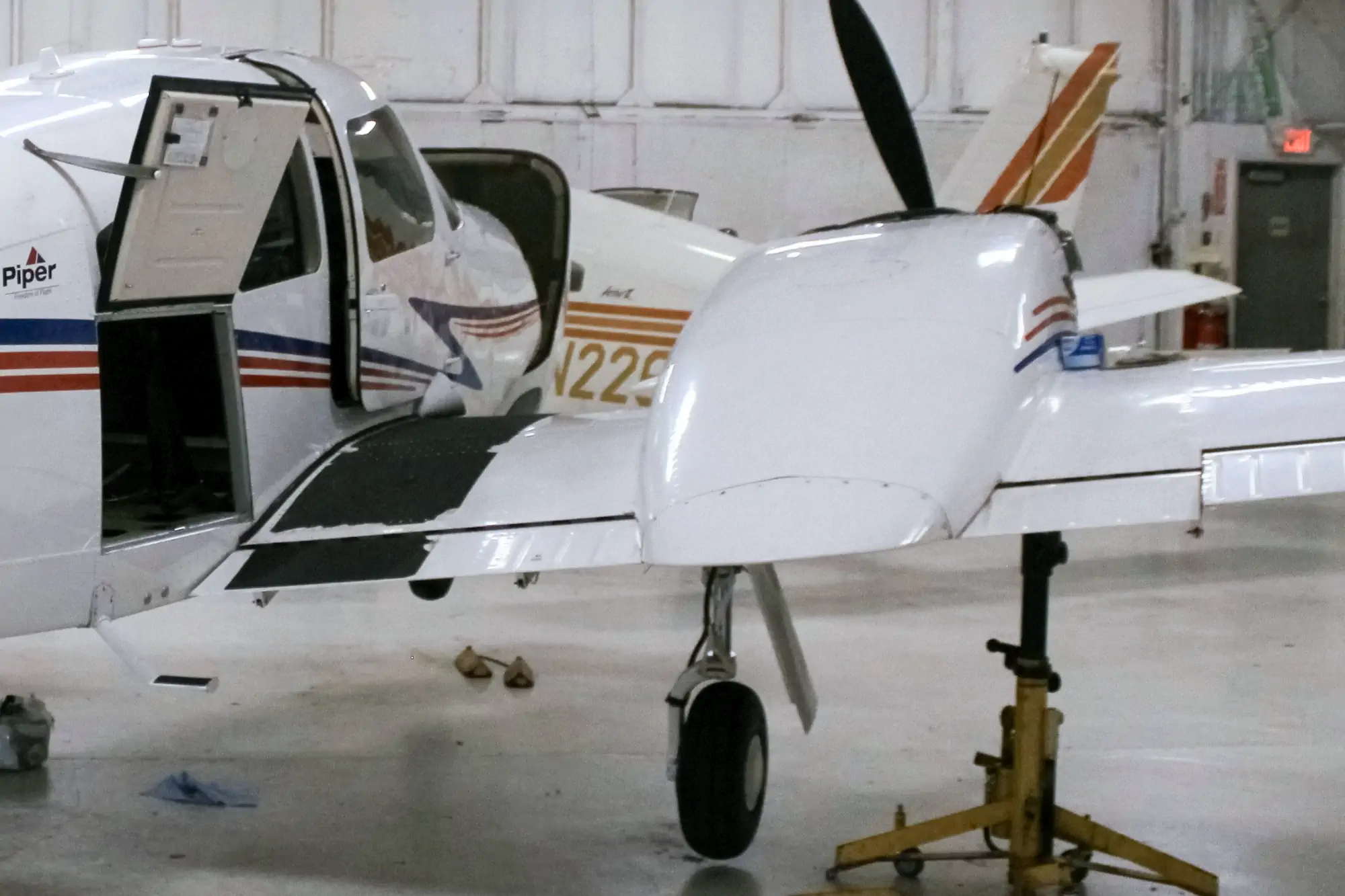
Annual inspections are part of the rhythm of owning an aircraft. But when an owner begins thinking about selling, the question often becomes whether to time the annual strategically.
It’s true that an annual inspection and a pre-purchase inspection both involve a deeper level of maintenance. But conflating the two introduces a real problem. The purpose of the annual is to maintain airworthiness and surface developing issues before they become larger ones. When it is tied too closely to a transaction, it shifts from a system of responsible ownership to a step in the sale process.
14 CFR § 91.409 requires that an aircraft be inspected at least once every 12 calendar months, with some exceptions. For most private owners, that means the aircraft must be taken out of service each year for a detailed inspection. The rule is written around calendar months, so an annual signed off on March 1 of one year is valid through March 31 of the following year.
The purpose of that inspection is straightforward: to ensure the aircraft is in a condition for safe operation. Whether an aircraft has flown frequently or remained idle, issues can develop within systems and structures that are not visible in day-to-day use. Panels are removed, components are inspected, and areas that rarely receive attention during normal operation are evaluated. The annual follows a comprehensive, standardized, and documented process. While it satisfies a regulatory requirement, it is more accurately understood as a structured review of the aircraft’s condition.
In practice, many transactions combine the annual inspection with the pre-purchase inspection. An owner approaches the annual window, decides to sell, and waits until the aircraft is under contract so the inspection can serve both purposes. On the surface, this appears efficient; it aligns timing and shares cost. But the objectives of the two inspections are different.
The annual is focused on airworthiness and continuity of operation. The pre-purchase inspection is focused on the buyer’s evaluation of risk. Those objectives can overlap, but they are not the same, and asking a single inspection to serve both can blur priorities. The result is that the annual becomes oriented around the transaction rather than its role in maintaining the aircraft.
A more disciplined approach is to treat the annual as part of the ownership cycle, independent of any transaction. It is driven by the calendar and by the condition of the aircraft, not by market timing. The pre-purchase inspection, on the other hand, should remain a transaction-specific process directed by the buyer. The findings from one can inform the other, but they serve different purposes and benefit from being approached with that clarity.
There are practical considerations in deciding when to complete an annual. Utilization, known maintenance items, open discrepancies, and upcoming operational needs all factor into timing. In some cases, pulling the annual forward makes sense. In others, completing it closer to the end of the inspection window is appropriate. Market timing may play a role, but it should not override the maintenance discipline of the aircraft.
A fresh annual can add value in a sale, but only when it reflects a consistent maintenance posture. The inspection itself is not what creates confidence; it is the pattern behind it. Buyers are not just evaluating the most recent entry in the logbook, but what that entry represents.
The annual inspection is one of the clearest signals of how an aircraft has been owned. It shows whether maintenance has been approached as a system or as a series of compliance events. When treated as part of that system, it does more than satisfy a requirement; it preserves the condition of the aircraft and establishes a level of trust that carries through any transaction that follows.