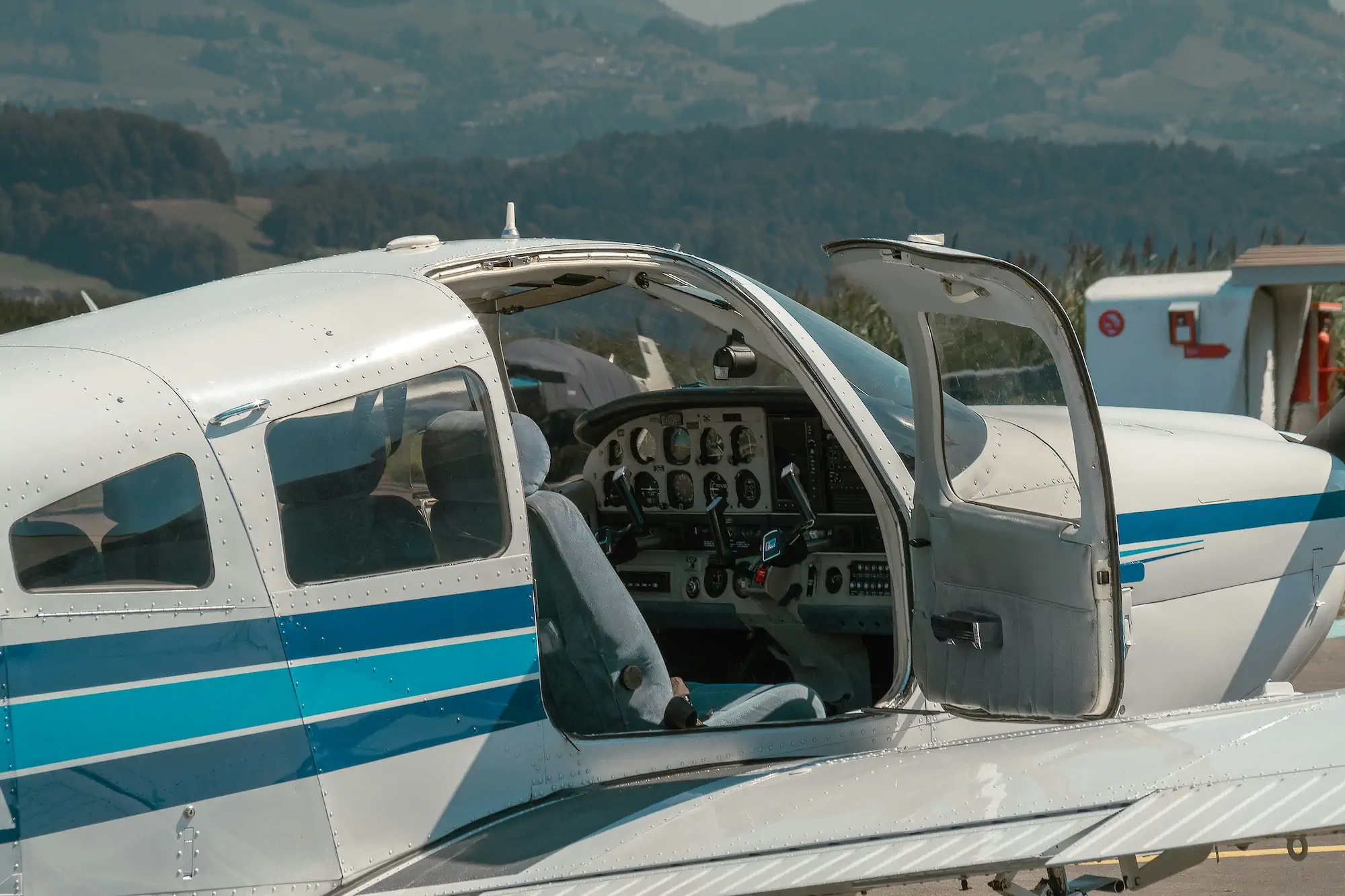
Delivery is a standard term in aviation, but it is often used in a non-standard way. In most transactions closed through escrow, the Delivery Receipt is signed in advance and held until closing. When escrow closes the transaction, that document is released to all parties and serves as the formal acknowledgment that operational control and risk of loss have passed from the seller to the buyer.
What that document does not describe is the actual handoff.
In practice, the physical delivery of an aircraft depends on how the transaction is structured. In many cases, the aircraft does not move at closing. It may be in maintenance, or pickup may be scheduled for a later date. Regardless of the logistics, the key point is simple: at closing, the buyer has taken delivery and assumes full control of the aircraft.
That raises a more practical question. What does the delivery sequence look like from the buyer’s perspective, and how should it be handled?
Closing is often the last meaningful interaction between the parties. Once funds are transferred and documents are executed, the transaction is complete and everyone moves on. Because of that, the delivery moment becomes the buyer’s last and best opportunity to confirm that everything expected has been received.
The right way to approach this is as a controlled handoff within the overall transaction process.
That starts with time. Delivery should not be rushed or treated as a quick pickup between other commitments. Build enough margin into the schedule to work deliberately. Like any other process in aviation, a checklist-driven approach reduces the risk of small but consequential oversights.
Before closing, prepare a clear inventory of what should transfer with the aircraft. This includes the full set of logbooks, along with supporting documentation such as overhaul records, data cards, and any applicable STCs. It should also account for physical items like keys, manuals, covers, plugs, slings, chocks, sunshades, and any loose equipment specific to the aircraft. The goal is simple: define in advance what “complete” looks like.
Once a closing date is established, the buyer should also define how delivery will occur. If the plan is to take possession on the day of closing, travel should be arranged with enough time to complete a full inventory before authorizing escrow to close. That sequencing matters. It preserves the buyer’s ability to confirm the handoff while the transaction is still in motion.
If delivery will occur after closing, whether due to maintenance or distance, the same discipline still applies. The inventory needs to be completed on the buyer’s behalf prior to closing, either by a trusted representative or a coordinated third party. The objective does not change simply because the pickup timing does.
At the time of pickup, the focus is straightforward. Confirm that the aircraft is as expected and that all records and accessories are present. This is not a negotiation point; it is a verification step. It is also the right time to ask any final, practical questions about the aircraft, particularly items that may not be obvious from the records alone.
When that process is complete, the handoff is effectively finished. The buyer has both legal ownership and physical control, and the aircraft can be repositioned or placed into service as planned.
Most delivery issues are not the result of major problems. They come from small omissions; a missing logbook, an overlooked accessory, an assumption that something would be included. These are avoidable when the process is approached with structure and enough time to execute it properly.
Delivery should feel orderly and complete. When handled with discipline, it is not a memorable event. It is simply a clean transfer of control.