February 17, 2026
Turboprop vs. Light Jet: Choosing the Right Aircraft for Your Mission
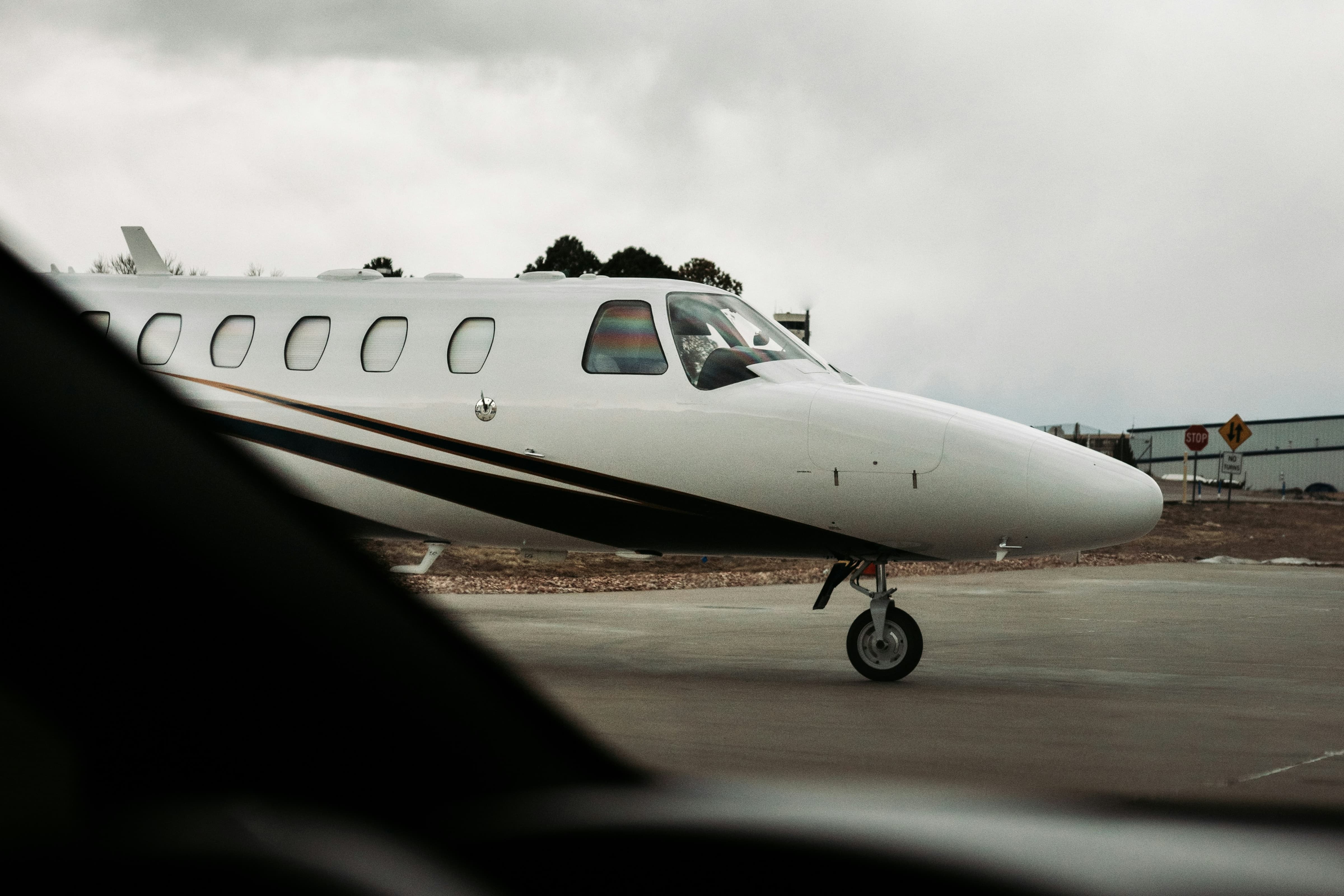
Should you be looking at a turboprop or a jet? This question comes up so often because many real-world missions sit squarely in the overlap between these two aircraft classes. Buyers are not choosing between extremes; they are cross shopping capable turboprops against light jets that can serve many of the same trips.
The right answer depends far less on ramp presence and far more on how, where, and why the aircraft will actually be used. Understanding these details early helps avoid placing the wrong aircraft in your hangar and then spending years working around its limitations.
Turboprops excel when flexibility and efficiency matter more than raw speed. Their ability to operate comfortably from shorter runways opens access to hundreds of airports across North America that simply cannot support light jets. In many cases, that means landing closer to the true destination, reducing drive time and increasing overall trip efficiency.
Cabin utility is another defining advantage. Many turboprops offer tall, wide cabins with flat floors and large cargo doors. For business owners carrying equipment, families traveling with luggage, or missions that mix passengers and cargo, this versatility matters. While flight time may be marginally longer than a jet, the cabin experience and practical usability are often meaningfully better.
Operating economics further reinforce this advantage. Lower fuel burn and simpler maintenance profiles make turboprops especially compelling on missions under 600 to 700 nautical miles. When flying a single pilot operation, the cost per trip difference can be substantial without sacrificing capability.
Jets justify themselves when flight time is the most important factor. Speed is the obvious differentiator, but it must be evaluated honestly. On longer legs, particularly beyond 700 nautical miles, jets begin to separate in a meaningful way. Saving 60 to 90 minutes on a long segment can be the difference between an overnight trip and returning home the same day.
Passenger perception also plays a role. While performance and economics should lead the decision, jets carry an intangible expectation for some passengers and customers. Even when older or less expensive than a high-end turboprop, a jet often conveys a different impression that matters in certain business contexts.
Problems arise when the aircraft class does not match the mission. A lightly used jet flying short legs can be an inefficient solution, as climb, descent, and ground time erode much of the speed advantage while fixed maintenance costs remain. Conversely, a turboprop flown frequently on long legs at high utilization can begin to lose the efficiency that initially made it attractive.
The key is matching the aircraft to how it will actually be flown, not how it could be flown in ideal conditions.
Rather than asking whether a turboprop or a jet is better, the more productive question is this: what compromises am I willing to accept for the missions I fly most often?
If your flying emphasizes flexibility, regional access, and operating efficiency, a turboprop is often the stronger tool. If your flying emphasizes time sensitivity, weather avoidance, and longer legs with consistent demand, a jet may be the right choice. The best aircraft is not the fastest or most impressive on paper; it is the one that consistently supports your real-world travel.
Contact
(903) 705-4523
PO Box 663
Bullard, TX 75757
Navigation
© 2026 HX Aviation, LLC