Aircraft ownership tends to follow a pattern. Pilots rarely choose airplanes in isolation; they move through them over time as mission requirements expand, skills develop, and operational expectations increase. What appears to be a wide mix of aircraft on the ramp is often something more structured beneath the surface. Most owners are not making one-off decisions; they are moving along a path.
That path is rarely a leap. Most pilots do not move directly from a piston single into a high-performance turboprop. Instead, they progress in stages, with each aircraft building on the last in both capability and responsibility. The progression is practical, not aspirational, and it reflects how pilots actually grow into ownership.
For most owner-pilots, that progression follows a recognizable ladder: piston singles, then piston twins, and eventually turboprops. It is not a requirement, and many owners stop at a level that fits their mission, but as a broad pattern, this is how most pilots move. The airplane changes as the mission expands, and each step introduces a higher standard of operation.
The piston single category is usually the first serious ownership experience. It offers the lowest operating complexity and the most manageable cost structure, but its real value is in what it teaches. Pilots begin to understand inspection cycles, maintenance events, parts delays, insurance expectations, and the difference between wanting an airplane and operating one well. They develop decision-making habits in a true single-pilot environment, where judgment cannot be delegated. At this level, owners are not just learning to fly the airplane; they are learning how to own one.
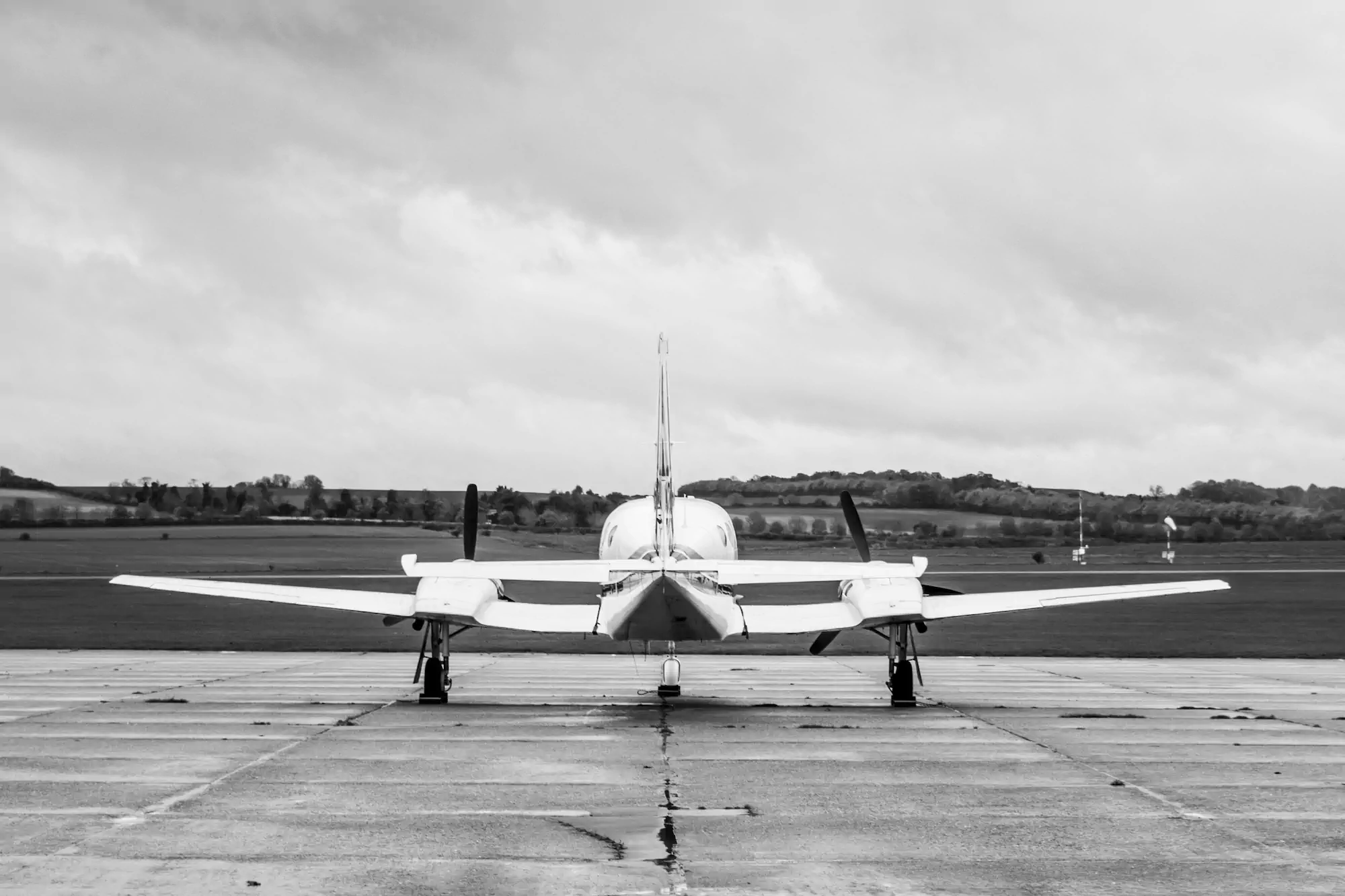
As mission demands increase, the next step is often a piston twin. This is more than an incremental upgrade. It is the first real step into aircraft that demand more from both the pilot and the ownership structure. Payload and cruise speed improve, and some models introduce pressurization and cabin-class comfort, but the airplane also becomes less forgiving. Systems are more complex, maintenance exposure rises, and the cost of poor decisions compounds more quickly. This is often where owners either grow into a more disciplined operation or recognize that the added complexity is not aligned with their mission.
The most meaningful shift occurs when ownership moves into turboprops. At this level, the airplane becomes a tool for time rather than simply transportation. Turboprops are not only faster; they are more flexible, more durable in frequent use, and better suited to missions where reliability matters. Whether single-engine or twin-engine, turbine ownership introduces a different operating standard. Planning becomes more intensive, and maintenance becomes more disciplined. Owners are no longer asking whether the airplane can make the trip; they are asking whether it can support a schedule, serve a business, or move a family with consistency. That is why turboprops represent a natural long-term position for many owners. They deliver substantial capability without requiring the full transition into jet ownership.
This pattern holds even for experienced aviators. Military and airline pilots may have thousands of flight hours operating high-performance aircraft, but ownership introduces a different set of responsibilities. A former airline pilot moving into single-pilot operations must absorb decisions that were previously shared across a crew. A fighter pilot accustomed to high-performance environments must adapt to the discipline and systems management of owner-flown aircraft. The ownership ladder is not a function of total flight time. It is a function of how mission, responsibility, and judgment come together.
Not every pilot needs to climb the full ladder. Some missions stabilize in the piston single category. Others justify a twin but go no further. Some owners move into turboprops and remain there indefinitely. That is not a failure to advance. It is often a sign that the owner has found the right alignment. The best aircraft is the one that fits the mission, the budget, the pilot’s capability, and the owner’s tolerance for complexity.
This progression of ownership should be expected and planned for. Aircraft decisions are more effective when they are viewed as part of a sequence rather than as isolated transactions. Each step should prepare the owner for what comes next, whether that next step happens in a few years or not at all. The objective is not to move quickly. It is to move deliberately, with the right aircraft at the right time.