February 10, 2026
Sales Tax and Exemptions: What Buyers Should Know
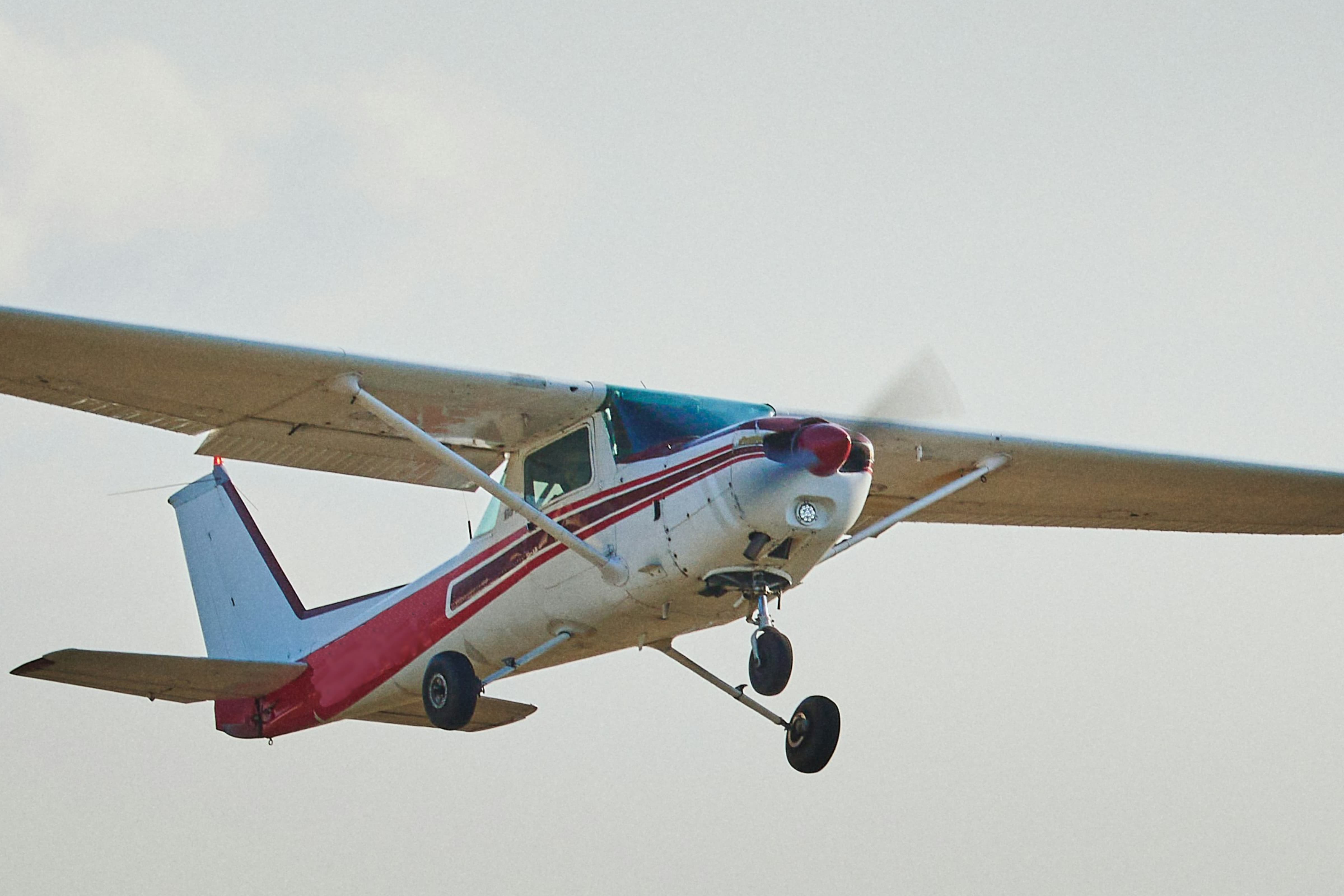
Aircraft purchases, even between private parties, are often among the largest financial transactions an individual or company will ever complete. Almost every aircraft sale triggers some form of sales or use tax exposure; however, the rules that govern those taxes vary widely by state. Many buyers assume that aircraft sales tax is uniform across the country. It is not. Despite appearing straightforward on the surface, sales and use tax is one of the most complex and aggressively enforced areas of state taxation.
The tax treatment of an aircraft purchase depends on several interrelated factors, including the type of seller, the delivery location, the ownership structure, and the state in which the aircraft will ultimately be stored and operated. Because of this complexity, buyers should consult with a qualified tax professional before closing a transaction. What follows is a general overview of how aircraft sales tax and common exemptions work in practice; it is not intended as legal or tax advice for any specific transaction.
Sales and use tax is imposed by individual states, not the federal government. In most cases, tax liability is determined by either the state where the aircraft is delivered or the state where it will be based and primarily used. Some states impose a flat aircraft sales tax rate; others apply a reduced percentage of the general sales tax rate; and some assess the full standard rate. Even small percentage differences can materially affect acquisition costs when applied to a high-value asset.
When buyers run the numbers, the impact becomes clear quickly. Adding sales tax to an aircraft purchase price can increase total acquisition costs by tens or even hundreds of thousands of dollars. The good news is that many states provide exemptions or preferred treatment for aircraft purchases, provided the buyer meets specific statutory requirements. State taxing authorities typically publish lists of available exemptions, along with reporting and documentation requirements. If an exemption is claimed, maintaining proper records is essential in the event of a future audit or inquiry.
One of the most commonly discussed exemptions is the so-called “fly-away” exemption. Fly-away provisions are generally designed for out-of-state transactions. For example, if a buyer resides in Texas but purchases an aircraft located in Missouri, the buyer may be permitted to take delivery and fly the aircraft out of Missouri within a prescribed time period without triggering Missouri sales tax. These exemptions are highly dependent on delivery location, timing, and documented aircraft movement, which is why buyers and sellers often negotiate the state of delivery well in advance of closing.
Another frequently used exemption applies to occasional or casual sellers. If an aircraft is sold by an individual or entity that is not regularly engaged in selling goods or aircraft, the transaction may qualify for exemption in some states. This provision exists to prevent private owners from being treated as retail sellers subject to full sales tax compliance obligations.
Certain states also offer exemptions based on out-of-state use. In these cases, an aircraft may be based in one state but qualify for tax relief if it meets specific thresholds for operations outside that state during an initial use period. These exemptions typically require detailed flight logs and strict compliance with operational criteria.
Additional exemptions may apply to aircraft used in flight training, agricultural operations, or resale. These are policy-driven incentives intended to support specific industries and economic activity within a state.
Sales tax is not optional; however, many states provide exemptions or reduced rates for qualifying aircraft transactions. The key is understanding which rules apply to your specific circumstances and ensuring that all planning, documentation, and reporting requirements are met. Early coordination with experienced tax and aviation professionals can help prevent costly surprises and keep the transaction moving smoothly.
Contact
(903) 705-4523
PO Box 663
Bullard, TX 75757
Navigation
© 2026 HX Aviation, LLC