December 16, 2025
Mastering the Pre-Purchase Inspection: A Guide for First-Time Buyers
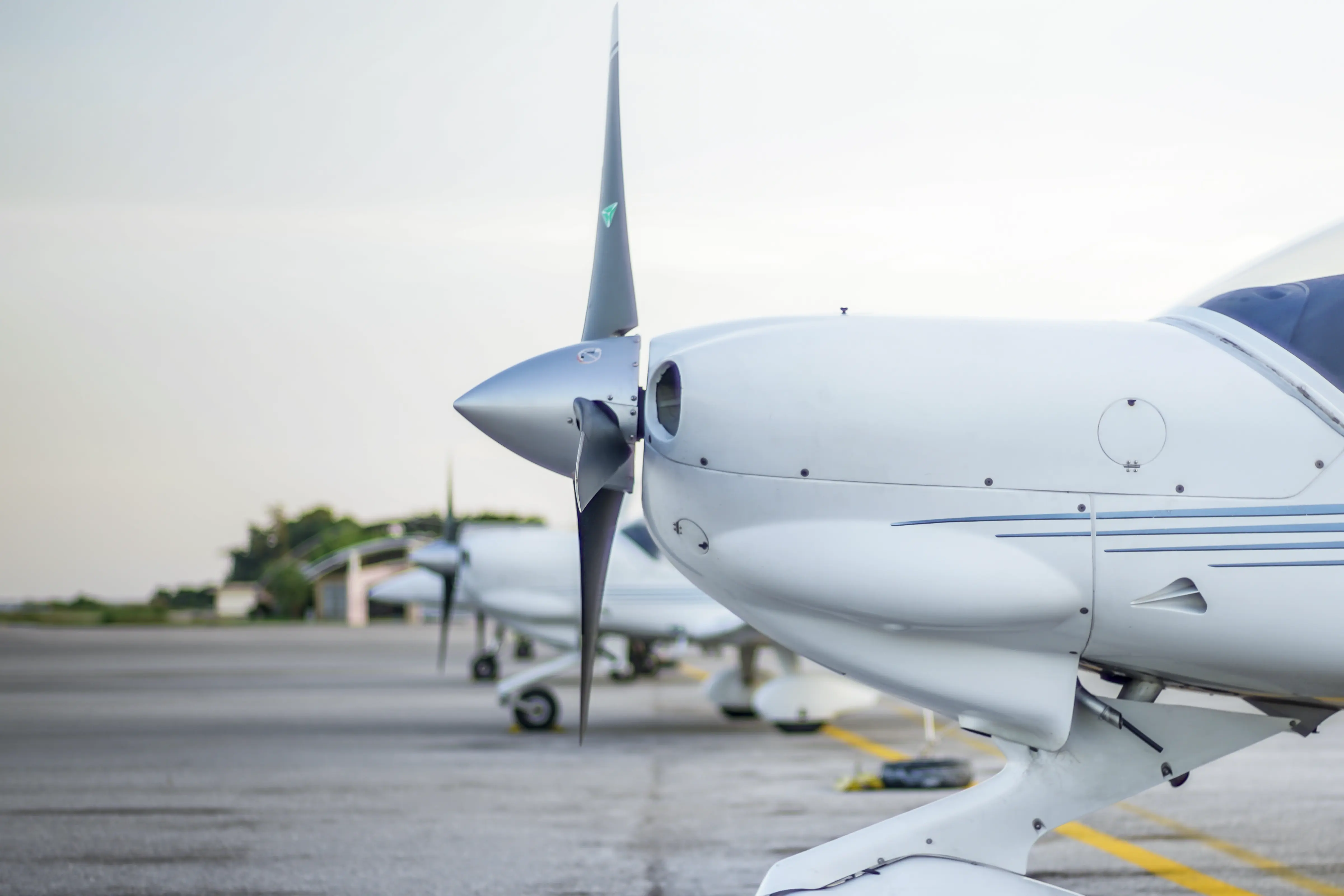
Buying an aircraft is one of the most rewarding milestones for any pilot or owner, yet it is also one of the most complex. Contracts, logistics, inspections, and closing all move quickly, and every step carries real implications for cost, safety, and long-term ownership. Your strongest protection in this process is the pre-purchase inspection, or PPI. It provides a structured opportunity to understand the aircraft’s true condition and determine whether it is the right fit for your mission, your budget, and your expected operating profile.
Every aircraft has squawks, including those that have just left the factory. A PPI is not an invitation to pressure a seller into additional price concessions. Its purpose is more practical. It validates the logbooks and equipment list, verifies that the aircraft actually matches its represented configuration, and identifies any issues that affect airworthiness, flight safety, reliability, or long-term maintenance planning. A good PPI gives you clarity not only about the aircraft as it stands today, but also about the likely path of its upkeep in the years ahead.
In a standard transaction, the PPI occurs after both parties sign the purchase agreement but before technical acceptance. This creates a protected window for the buyer. The aircraft is removed from the market, yet the buyer is not obligated to close until the chosen maintenance facility completes the inspection. The buyer is responsible for the cost of the inspection and for transporting the aircraft to the shop, and these expenses remain even if the sale does not move forward. This structure ensures that buyers enter the PPI with intention rather than using it as a no-risk opportunity to browse at the seller’s expense.
Depending on the aircraft’s complexity, the depth of the inspection, and shop availability, a PPI usually takes between one and five days. Aircraft with more integrated systems often require longer evaluations. Regardless of the platform, a thoughtful PPI goes well beyond a general overview. It examines model-specific trouble points, reviews prior major maintenance, evaluates repairs for workmanship and documentation, and determines whether the aircraft has been consistently maintained in accordance with the manufacturer maintenance manual along with any applicable ACs, ADs, and SBs.
PPI reports can vary significantly among maintenance shops. Some facilities provide only a brief go or no-go recommendation that focuses on basic airworthiness. Others produce a comprehensive list of every discrepancy required to bring the aircraft back to OEM-new standards, which can overwhelm even seasoned buyers. Fortunately, most A&Ps take a balanced approach. They identify true airworthiness concerns, note practical recommendations, and highlight items that may not be urgent but deserve attention over time. This categorization helps a buyer understand what must be addressed immediately, what can be deferred, and what simply requires monitoring.
If the PPI confirms that the aircraft meets your expectations, most Aircraft Purchase Agreements require the seller to correct all airworthiness discrepancies before closing. Many sellers instead offer a dollar-for-dollar price reduction and allow the buyer to complete the work after the transaction. In some cases, the inspection uncovers a significant issue that was previously unknown or undisclosed. When that happens, the buyer and seller must decide whether to negotiate a path forward or step away from the deal entirely. A cooperative and reasonable approach often leads to an outcome that works for both sides, while aggressive tactics can prompt the seller to pursue another offer.
The PPI does give the buyer leverage, but it is not an opportunity to renegotiate the entire transaction from scratch. It is a scheduled checkpoint in the closing timeline intended to confirm the final contours of the deal and ensure that both parties are prepared to continue toward closing. Use the inspection results to make informed decisions, but avoid overreaching in ways that jeopardize the sale or undermine your investment in the process so far.
A thorough pre-purchase inspection is essential to a successful acquisition. It verifies the aircraft’s true condition, protects your investment, and ensures that the aircraft you bring into your hangar is exactly what you expect. Choose a shop you trust, commit the necessary time and resources, and give yourself the strongest possible footing as you begin your ownership.
Contact
(903) 705-4523
PO Box 663
Bullard, TX 75757
Navigation
© 2026 HX Aviation, LLC