January 20, 2026
Go Fly: Better Ownership, Better Resale
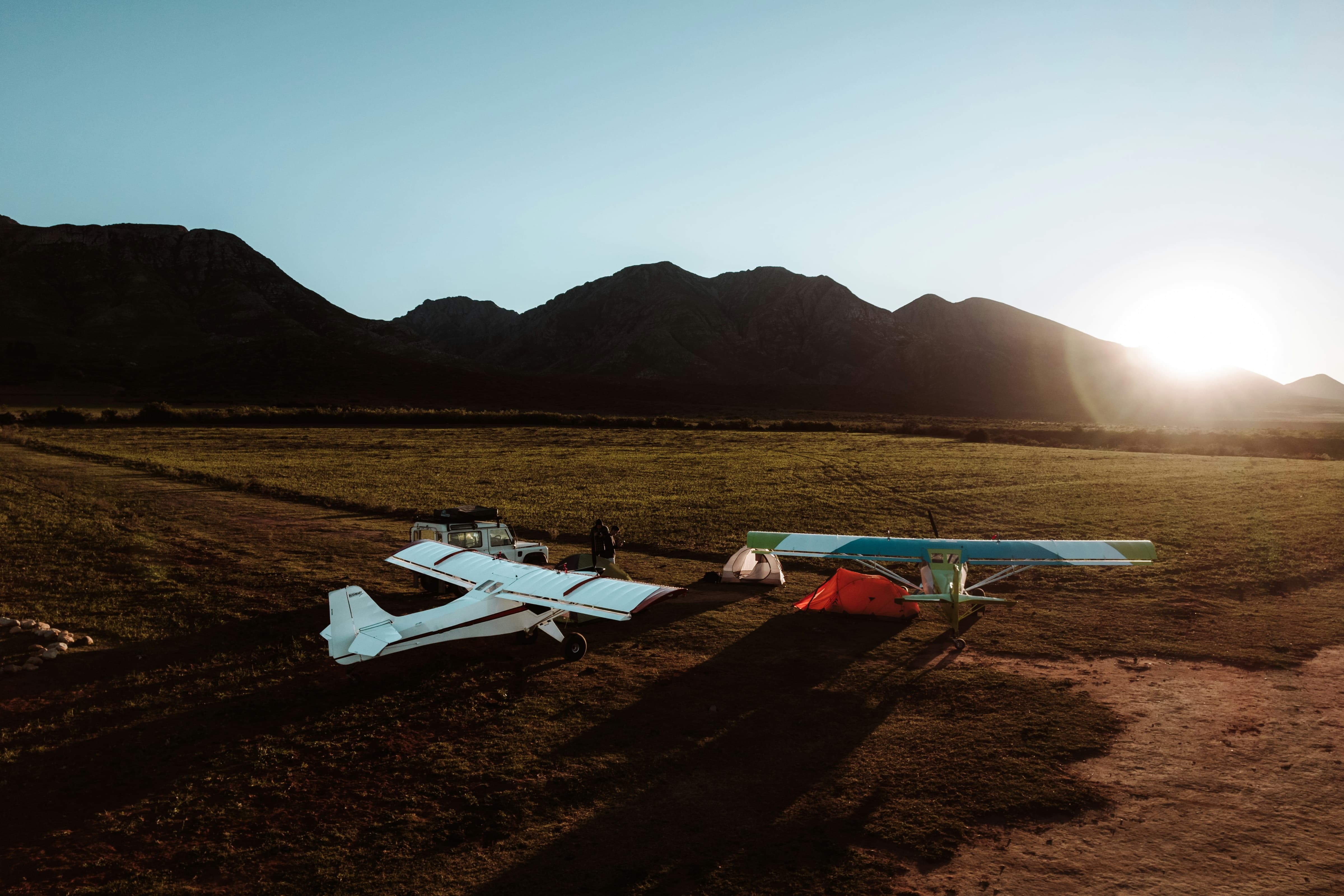
Owning an aircraft is one of the purest expressions of freedom most of us will ever experience. It’s the ability to leave on your schedule, bypass traffic, and turn distance into something manageable. No red lights, no security lines, just a runway, power, and open sky ahead. Whether it’s beating up the pattern after work or a weekend cross-country with family or friends, aviation offers a kind of recreation that few other pursuits can match.
Yet the uncomfortable reality is that many airplanes rarely fly.
You see them at almost every airport; aircraft tucked neatly into hangars or parked out on the ramp, covers on, and flat tires. The airplane exists to fly, but instead it sits. Owners often tell themselves they will get back to flying once schedules open up, maintenance items are addressed, or life settles down. In the meantime, the airplane waits.
And waiting is expensive.
Aircraft ownership comes with fixed costs regardless of how often the airplane flies. Hangar rent, insurance, inspections, and subscriptions all come due whether the Hobbs moves or not. What many owners underestimate, however, is that inactivity itself creates additional cost. An airplane that sits unused is not a neutral asset; it is quietly deteriorating.
This is especially true for piston aircraft, but it applies across the board. Engines are designed to operate at temperature and oil is meant to circulate, carrying away moisture and combustion byproducts. Seals stay pliable when they’re exercised; fuel systems remain cleaner when fuel is regularly refreshed. When airplanes sit, small issues that would have been caught during routine flying quietly grow into large maintenance events.
Unless an aircraft has been deliberately prepared for long-term storage, inactivity is not preservation: it’s deferred damage.
Aircraft are complex machines built to fly. Their systems are interconnected and dependent on regular operation to remain healthy. The irony is that owners often fixate on the cost of flying while overlooking the much larger costs associated with not flying. After acquisition and maintenance, the marginal cost of a local flight or a modest cross-country is relatively small. Fuel, oil, and a little engine time are often insignificant compared to the repair bills that surface after long periods of inactivity.
There’s also the ownership experience to consider. Flying is the reward; it’s why you bought the airplane in the first place. When an airplane becomes a static display instead of a tool for exploration and enjoyment, frustration tends to follow. Flying regularly builds confidence and maintains proficiency as a pilot. Those benefits compound over time and make ownership more satisfying.
Letting an aircraft sit isn’t just about maintenance. From a resale standpoint, the consequences of inactivity are just as real.
When an aircraft comes to market, utilization tells a story. Prospective buyers and their maintenance shops will quickly calculate annual hours and identify long gaps in operation. Even if the airplane appears cosmetically clean, low utilization raises questions. Was it maintained properly while it sat? Were issues deferred? What will show up on the squawk list during the pre-purchase inspection?
Aircraft that have been dormant often face perception challenges that are difficult to overcome. Buyers worry about neglected systems, surprise airworthiness items, and corrosion hidden away deep in the airframe and engines. If those concerns are validated during inspection, the result can be lengthy renegotiations or a terminated deal altogether. An airplane that was not flown regularly often costs more to bring back to market than the owner expects.
By contrast, airplanes that fly consistently tend to present better. They have fewer surprises, cleaner inspections, and a story that makes sense. Regular use suggests attentive ownership; it builds confidence with buyers and shortens the path from listing to closing.
Flying your airplane is responsible ownership.
Not every flight has to be a major trip or a perfect weather day. A short local VFR, a few patterns to maintain currency, or a simple breakfast run all count. The goal is straightforward: keep the airplane moving, keep systems exercised, and keep yourself connected to the machine you own.
An aircraft that flies is healthier, easier to sell, and more enjoyable to own. If you own an aircraft, give yourself permission to use it. Go somewhere and have fun!
Contact
(903) 705-4523
PO Box 663
Bullard, TX 75757
Navigation
© 2026 HX Aviation, LLC