January 27, 2026
Aircraft Logbooks Matter More Than You Think
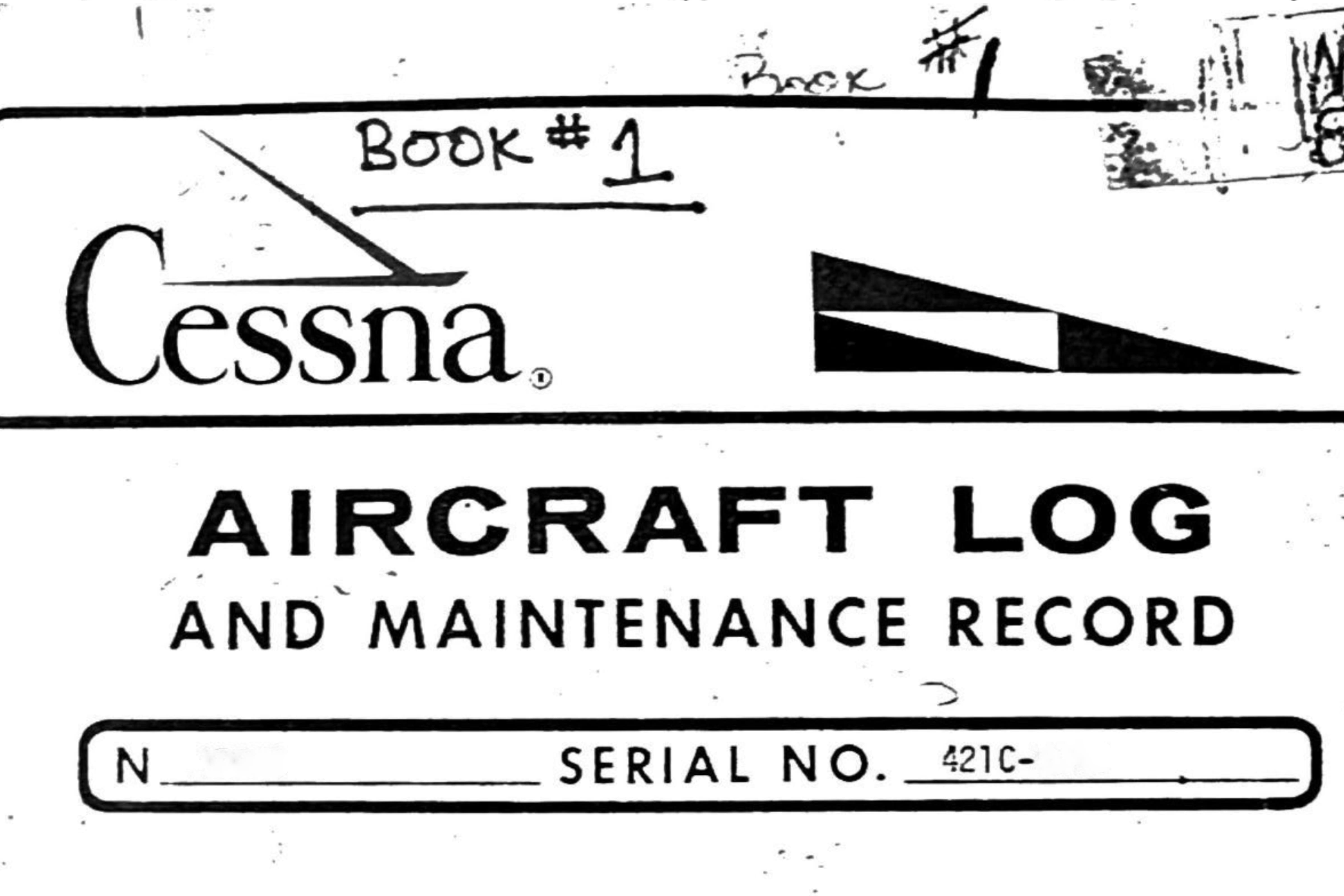
Everyone in aviation has heard a horror story about lost logbooks. A hangar fire, a vehicle accident on the way home from maintenance, or logbooks dropped off for an annual inspection and never returned. Even something as mundane as a spilled cup of coffee can permanently damage pages and make entries illegible. These low-tech bound paper books may only cost a few dollars at Sporty’s, but their loss can have a disproportionate and lasting negative impact on an aircraft’s value.
Aircraft logbooks are far more than a simple maintenance diary. They’re the permanent record of compliance with Federal Aviation Regulations, Airworthiness Directives, inspections, repairs, and modifications. They document how the aircraft has been operated, cared for, and upgraded over its life. When a buyer evaluates an aircraft, logbooks are second in importance only to the pre-purchase inspection. In many cases, strong records can make the difference between a buyer who closes and one who walks away.
Every aircraft model and vintage carries a reputation in the marketplace. Manufacturing methods, materials, and systems tend to age in predictable ways, and experienced buyers know which issues are common to specific models and production years. Complete and well-organized records allow an owner to demonstrate that known issues have already been addressed, recurring inspections have been handled properly, and upgrades were installed and maintained correctly. This becomes increasingly important as aircraft age. While no decades-old aircraft will have a perfect history, the market expects continuity; missing records almost always result in a downwards value adjustment, regardless of how well the aircraft currently presents.
It’s also important to understand that not all logbooks are equal in importance. To maximize value, all airframe logbooks from the date of manufacture should be present. Airframe time never resets, and gaps in those records raise immediate questions. Engines and propellers are treated differently. Because they are overhauled at defined intervals, a major overhaul effectively resets their maintenance history. As long as engine and propeller logbooks are complete since the most recent overhaul, earlier records are generally considered less relevant. An aircraft with full airframe records and complete engine and propeller logs since overhaul is typically viewed as a strong candidate in the marketplace.
Despite their importance, paper logbooks are inherently fragile. Storing them in a home safe or filing cabinet reduces risk, but it does not eliminate it. Fire, water, theft, and simple mishandling remain real threats. The most effective step an owner can take is full digitization of the records. This means more than casual photographs; it involves professionally scanning logbooks into searchable, high-resolution digital files that accurately replicate the originals.
Digitized records protect against loss, simplify sharing during a sale or pre-purchase inspection, and add real credibility to an aircraft listing. More importantly, they preserve value. In an environment where buyers prioritize transparency and certainty, well-maintained and fully digitized logbooks are not just administrative housekeeping; they’re an asset in their own right.
Ultimately, aircraft logbooks tell the story of an airplane’s life. They reflect not just compliance, but care, discipline, and ownership philosophy. In a six- and seven-figure transaction, buyers expect high levels of value and service. Complete, well-preserved, and properly digitized records reduce that uncertainty and signal that an aircraft has been managed with intention. Whether you plan to sell next month or ten years from now, treating your logbooks as a critical asset rather than an afterthought is one of the simplest and most effective ways to protect your aircraft’s value.
Contact
(903) 705-4523
PO Box 663
Bullard, TX 75757
Navigation
© 2026 HX Aviation, LLC